©

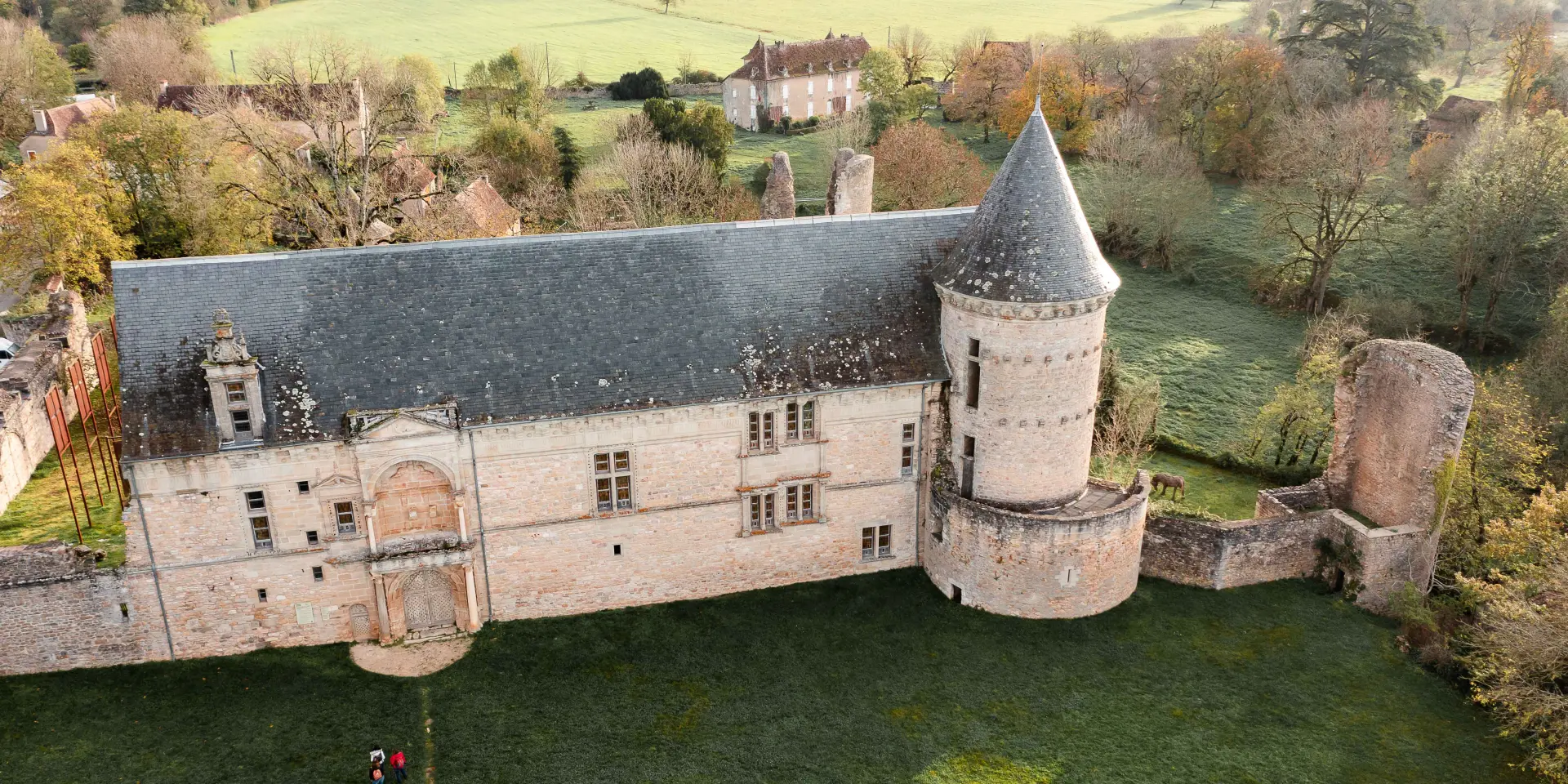
Aerial view of the Château d'Assier

Pearlof the Renaissance

Assier, the fiefdom of Galiot de Genouillac

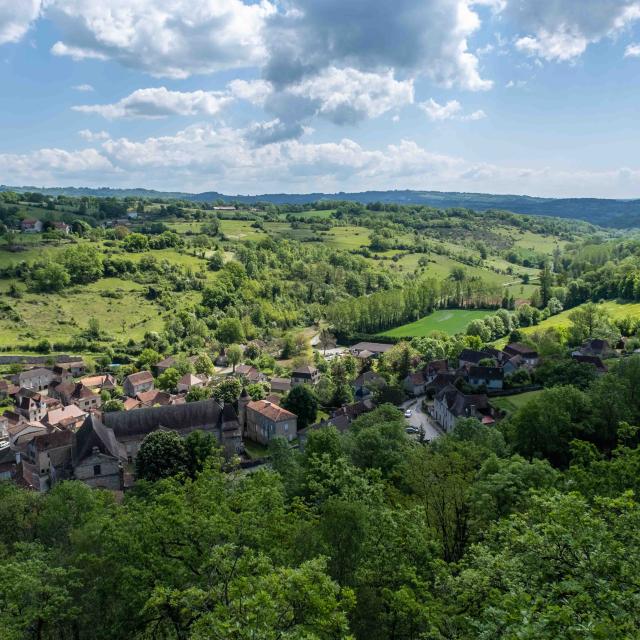
Between Figeac and Rocamadour, a delightful getaway to Assier! In the heart of the Causses du Quercy and at the foot of the Limargue, this surprising village in the Lot boasts two Renaissance gems: the château and its church, adorned with an exceptional carved frieze! A mill, stables and a dovecote complete this former grand seigneurial estate. Its history is closely linked to Galiot de Genouillac, a powerful figure in the Kingdom of France and a comrade -in-arms of François I, who commissioned the reconstruction of his estate in the Renaissance style upon his return from Italy.

Galiot de Genouillac

and Assier Castle

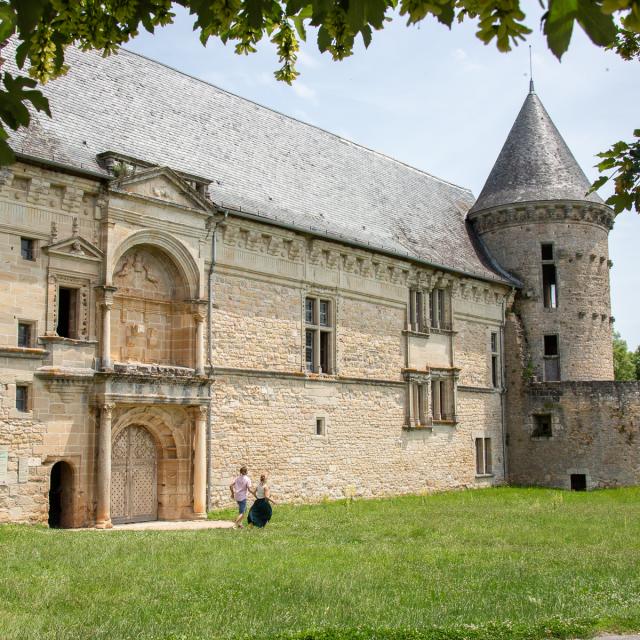
Built between 1518 and 1535 in the style of the new pleasure palaces, the Château d’Assier is the pride of Jacques, known as Galiot de Genouillac, a leading figure of the French nobility during the Renaissance. A career soldier, he played a decisive role in the Italian campaigns led by François I. By making use ofartillery – which was still a new and poorly mastered technology – he contributed to the famous victory at Marignan in 1515. This success earned him the coveted title of Grand Equerry of France.

The château represents a return to the principles ofancient architecture whilst retaining a French-style layout: a quadrangle of tall residential wings flanked by round towers. Inside the château, the rooms remain intact, although the painted decorations have disappeared. The château was adorned with superb reception rooms, whose ceilings have disappeared, giving them a ‘cathedral-like effect’. On the first floor, visitors can admire a magnificent staircase and a beautifully carved pillar, the château’s treasure. A loggia balcony overlooks the courtyard, a deeply evocative ensemble that bears witness to the lives of the lords of the Renaissance.
A village

characterised by the Renaissance

Set off to discover, at your own pace, the village’s architectural treasures, shaped by the Renaissance and bearing the mark of its lord, on the ‘Les clefs d’Assier’ trail.

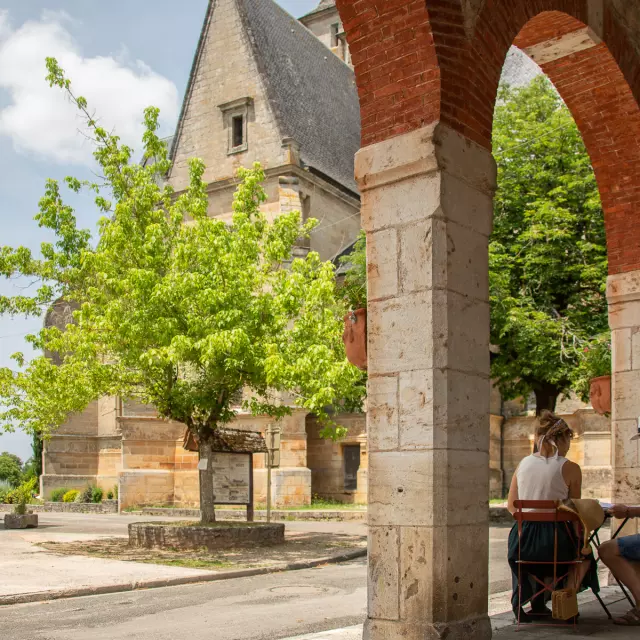
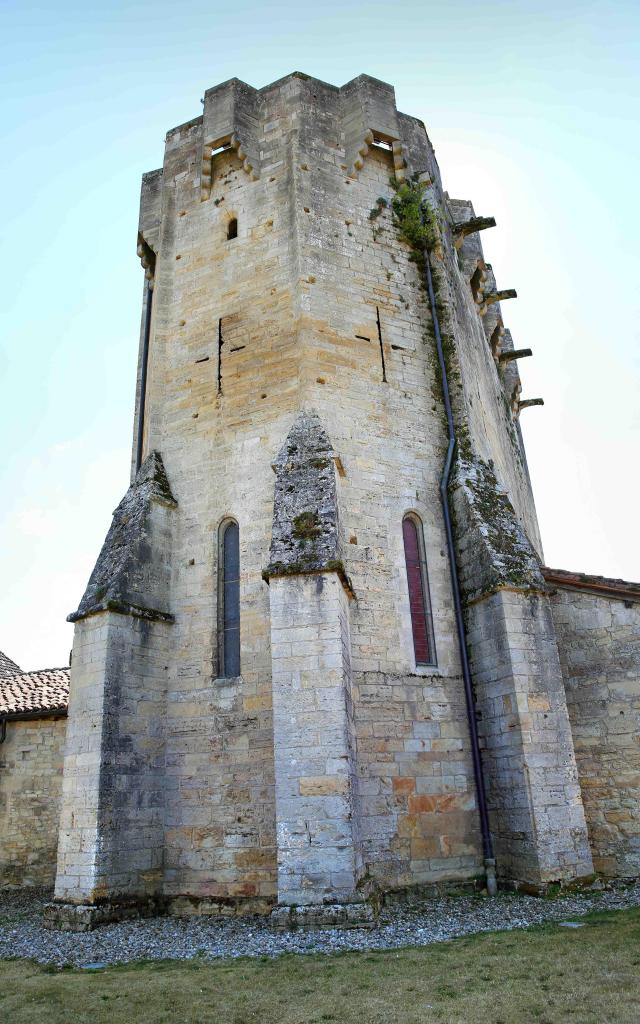
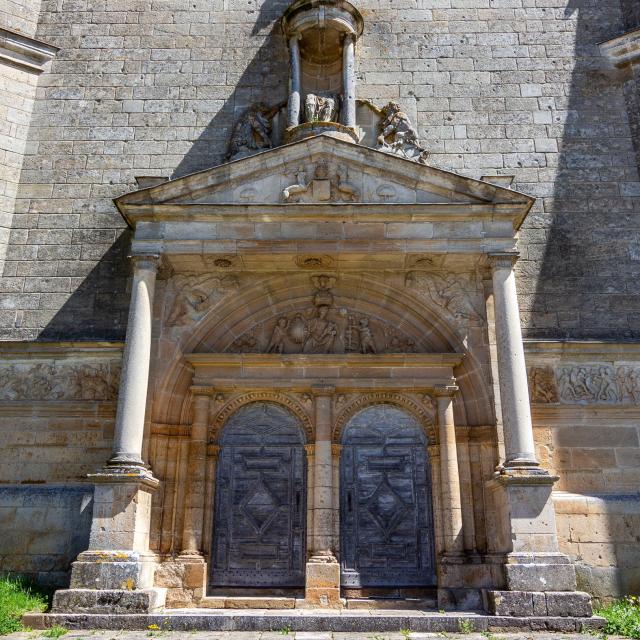
  • The statelySaint-Pierre Church, with its unique historical frieze depicting, across 75 carved panels, the life and conquests of Galiot de Genouillac, as well as the chapel housing his tomb, which features a vault that is unique in France
  • The castle stables, converted into residential properties
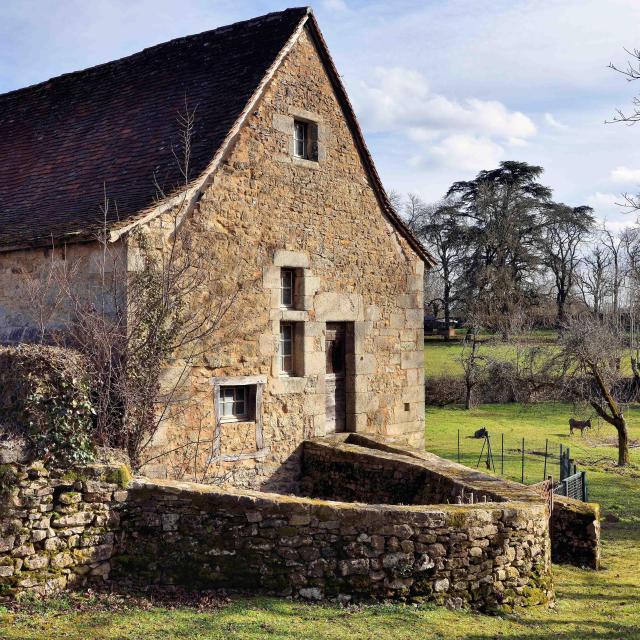
  • The Bargues barn, former residence of the squire Murat de Montaï
  • The watermill below the château’s gardens
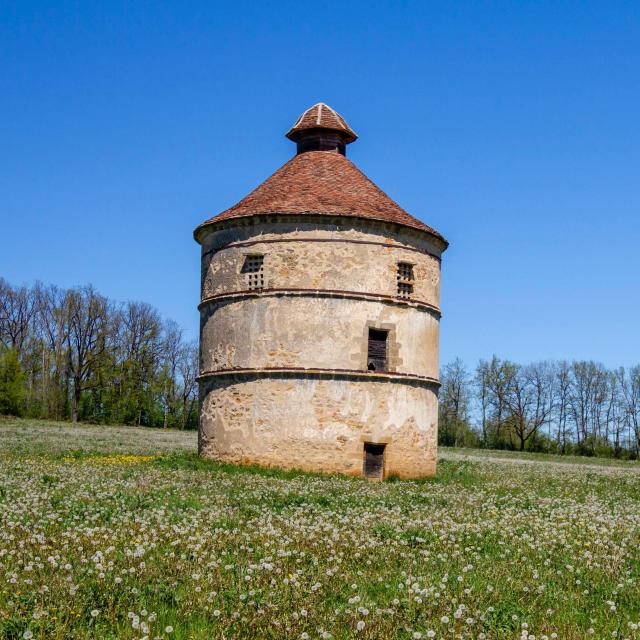
  • The dovecote, one of the most monumental in the whole of Quercy

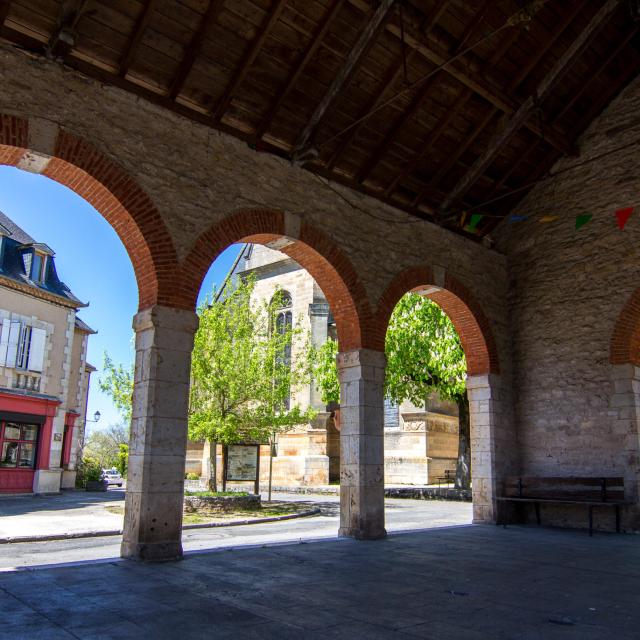
The village is also home to a superb market hall built in 1884.

Discover Assier with the family

with *A Map, a Village*

How about discovering Assier through play? With ‘A Map, a Village’, set off to explore this village with its rich Renaissance heritage! With your map in hand, wander between the castle, Saint-Pierre Church and the village’s narrow streets. Look up, spot the little details and keep your eyes peeled to findthe odd one out! An adventure to share with the whole family, where young and old alike can play at being detectives. And for young explorers, there’s a badge to collect from the Tourist Office as a souvenir of their discovery!

Why not go for a walk?

   ITINERARIES TO SUIT EVERY TASTE

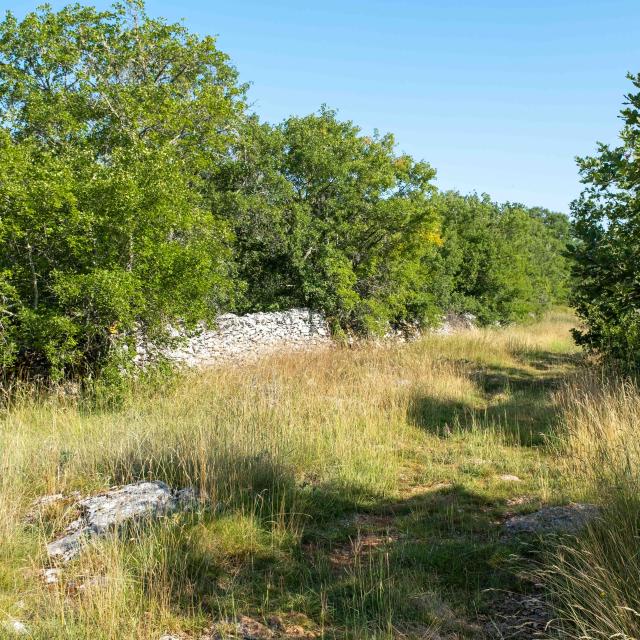
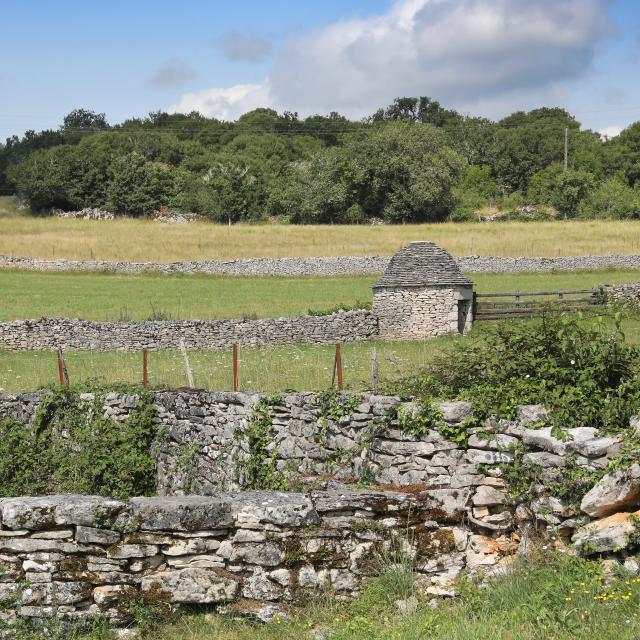
Set off on foot, by bike or on a mountain bike to explore the stunning landscapes of the Causses du Quercy, characterised by dry-stone structures: low walls, caselles and dolmens, set amidst oak forests and boxwood paths… Simply superb!

  Walking route

  Mountain bike routes

  Cycling tour

   FEELING A BIT PECKISH?

Make the most of your visit with a tasty break at theAssiérois restaurant.

RUDELLE AND THÉMINES

With its neat, regular streets, a fortified church and a bucolic townscape, make the most of your trip to Assier to visit Rudelle, an authentic and unique bastide in the Grand-Figeac region. The village is a 10-minute drive from Assier towards Gramat.

On the boundary between the limestone Causse and the clay-richLimargue, the waters of the Ouysse stream disappear into the Thémines sinkholes: this chasm is the starting point of a vast, listed underground network. In addition, there are other points of interest such as the 14th-century market hall, as well as a rich local heritage: caselles, dry-stone walls, fountains… A picturesque spot to discover on the way to Rocamadour!